 English
Excursion to Mantasoa Madagascar
Summary
- Presentation of Mantasoa
- Why choose a tour to Mantasoa?
- Tour to Mantasoa in 4 Days with Mada Tours Guide
- Why choose Mada Tours Guide as your partner for your Mantasoa tour?
- FAQ about the Mantasoa excursion
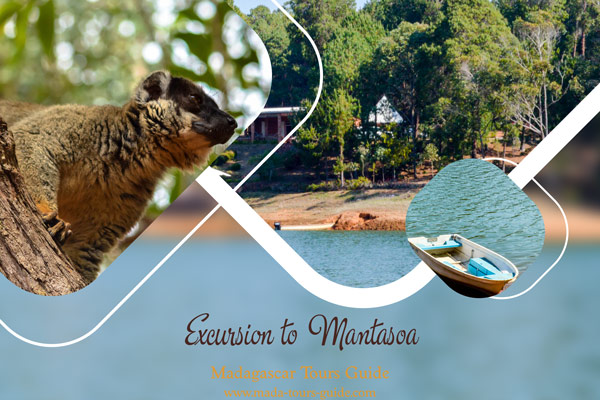
Presentation of Mantasoa
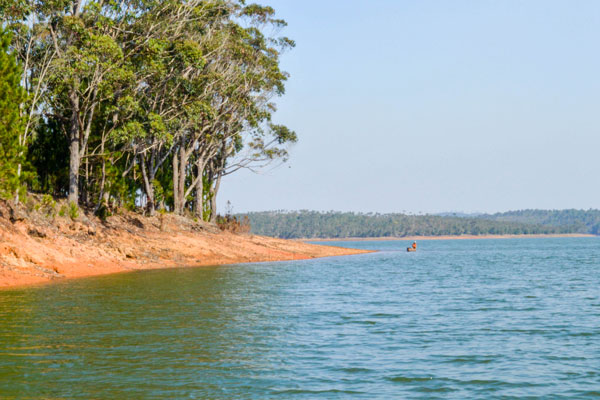
An artificial 2 000 ha lake at the heart of local life
A unique industrial and cultural heritage
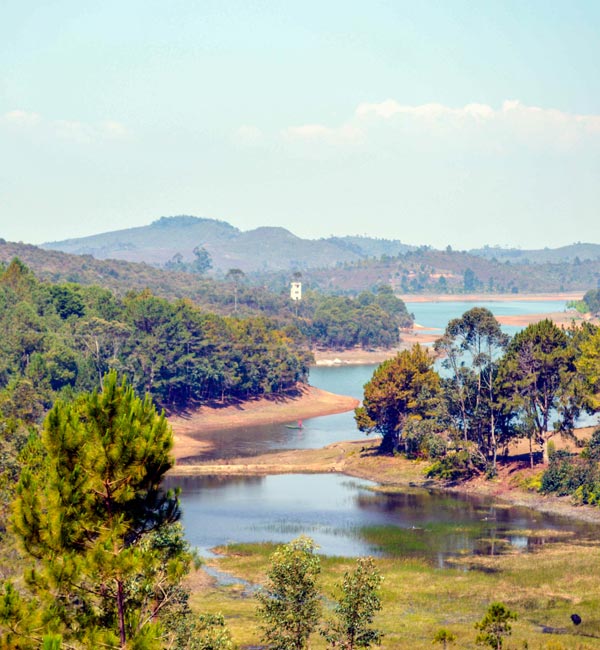
Why choose a tour to Mantasoa?
Tour to Mantasoa in 4 Days with Mada Tours Guide
| Day | Itinerary | Activities & Discoveries | Accommodation |
|---|---|---|---|
| Day 1: Antananarivo → Mantasoa | Meet your Mada Tours Guide host at the airport or your hotel in Antananarivo. Drive east along RN2 to Mantasoa (about 70 km/43 mi, 1½–2 h). En route, stop at Manjakandriana to visit a local market and sample highland specialities. | Early afternoon: arrive at Mantasoa and check in to your lakeside lodge. Take an introductory stroll along the shore, admire the lake panorama and learn how the dam works. Free time to relax, enjoy a drink on the terrace or take a first ride in a pedalo or pirogue. | Lakeside lodge : comfortable bungalows with water views, landscaped gardens and on‑site restaurant. |
| Day 2: Lake day & water sports | Wake up to the shimmering lake. After breakfast, embark on a guided boat or motor‑pirogue cruise around the lake. Cruise through the finger‑shaped arms of the vast reservoir, observe submerged vegetation and passing fishing hamlets. | Lunch at a local restaurant serving fresh lake fish. The afternoon is dedicated to water activities: water‑skiing, kayaking, pedal boating, canoeing, fishing or simply swimming. Children can try paddleboarding in a safe area while adults explore the lake by quad bike or mountain bike. Free time at day’s end to unwind at the lodge. | Lodge at Mantasoa :facilities include a swimming pool and optional traditional massage. |
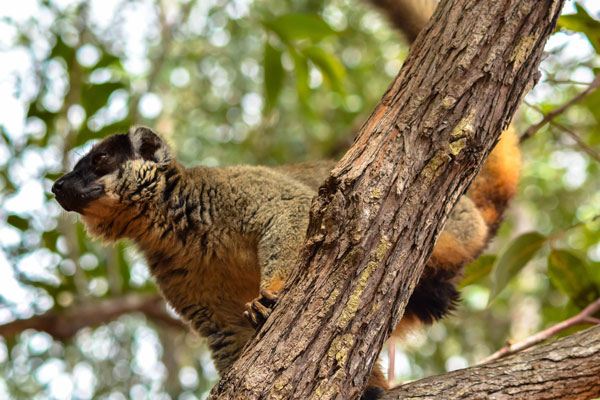
| Day 3: Mantasoa’s history & nature | Morning visit to Jean Laborde’s industrial site. Guided tour of his wooden house, the blast furnace (afo mahery) and the ruined workshops where weapons, glass, soap and other goods were made. Hear stories about Queen Ranavalona I and 19th‑century modernisation. | Lunch picnic or at a local restaurant. Afternoon excursion by boat to Nosy Soa Park. Walk on the island to spot lemurs, chameleons, tortoises and butterflies. Option to ride horses or cycle through the eucalyptus forest (around 1 500 m/4 900 ft). On the way back, stop at a craft village to see pottery, wood‑carving and weaving demonstrations. | Lodge at Mantasoa : enjoy a convivial evening with traditional music and a seafood dinner. |
| Day 4: Mantasoa → Antananarivo | Morning at leisure to soak up the lake one last time : take a lakeshore walk, read in the shade of the pines or join an outdoor yoga session. | Late morning: return drive to Antananarivo. Arrive in the afternoon. Depending on your flight schedule, enjoy free time to explore the city (historic district, craft market, Ambohimanga Hill) before transferring to the airport. | End of tour. |
Why choose Mada Tours Guide as your partner for your Mantasoa tour?
Local expertise and personalisation
All inclusive packages
Comfort and safety
Responsible commitment
FAQ about the Mantasoa excursion
How long does it take to reach Mantasoa from Antananarivo?
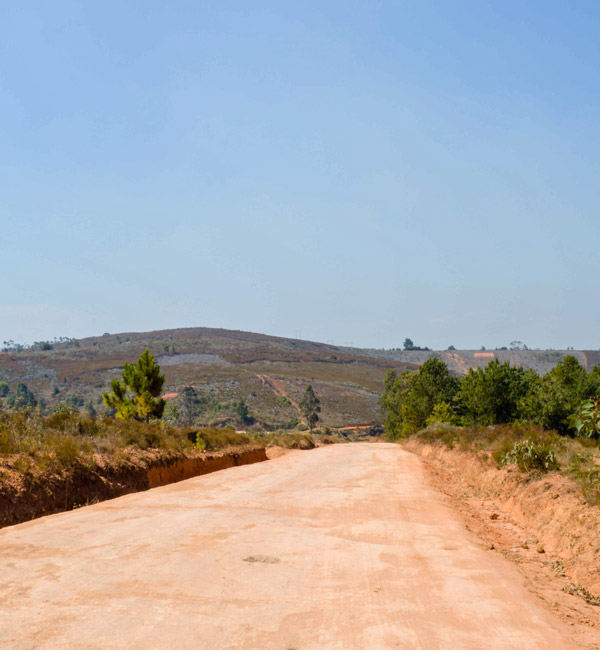
Mantasoa lies about 60-70 km east of the capital along the RN2. It takes roughly 2 hours by car. The
last 15 km may be a rough track, but access is generally fine in the dry season and does not always require a four‑wheel drive. Mada Tours Guide arranges transfers and often schedules stops at Manjakandriana’s market or a craft workshop en route.
What activities can you do at Lake Mantasoa?
Covering 2 000 ha (5 000 acres), the lake is perfect for a variety of water activities: pedal boating, canoeing, motor‑boating, water‑skiing, wakeboarding, paddleboarding and fishing for tilapia, carp and black bass. Trails around the lake invite hiking and cycling, with viewpoints over forest and hills. Many hotels offer horse‑riding and quad‑biking. You can also visit Nosy Soa Park, paddle to fishing villages or go on a wildlife‑watching trip to see lemurs, chameleons and butterflies.
What accommodation is available at Mantasoa?
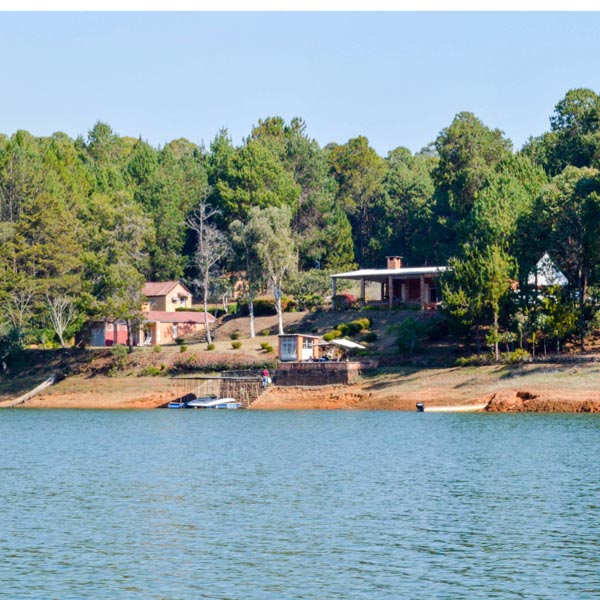
The lakeshore hosts several lodges and charming hotels. You will find wooden bungalows or villas with lake views, swimming pools and restaurants serving fresh seafood and Malagasy specialities. Most offer family‑friendly facilities (playgrounds, bike hire). Some have spas and conference rooms for business retreats. Payments are usually accepted in euros or Malagasy ariary and Wi‑Fi is available.
When is the best time to visit Mantasoa?
Mantasoa is a year‑round destination. The dry season (May to October) is the most pleasant: temperatures range between 20-25 °C roads are less muddy and skies are clear. During the rainy season (November to April), showers can make tracks slippery and visibility lower, but the landscape is greener. If you want to enjoy intense water sports like water‑skiing or paddleboarding, the southern winter (July-August) offers gentle breezes and a calm lake.
What culinary specialities and souvenirs should you bring back from Mantasoa?
Local restaurants serve fresh lake fish such as grilled tilapia, carp skewers, crayfish and banana pancakes. Andrangoloaka village is known for its woven baskets and wooden sculptures. At the park you will find spices (vanilla, cinnamon), herbal sachets and eucalyptus honey. You can also tour the sturgeon farm to buy a small jar of locally produced caviar.
Is Mantasoa suitable for children?
Yes. Mantasoa is safe and offers many child‑friendly activities. The lake’s calm, shallow waters are suitable for supervised swimming and lodges often have playgrounds and pools. Pirogue rides, lemur spotting at Nosy Soa and pottery or carving workshops will delight younger visitors. Mada Tours Guide provides guides experienced with children, supplies life jackets and adapts excursion length so that the whole family has a comfortable and enjoyable trip.

Helinirina Raharomanana is an independent guide, founder, and manager of the agency Madagascar Tours Guide. With extensive experience in the tourism industry, he specializes in organizing tailor-made trips across the entire Malagasy territory. Collaborating with a team of experienced guides and drivers, he is dedicated to providing an in-depth exploration of Madagascar’s landscapes, traditions, and customs.