
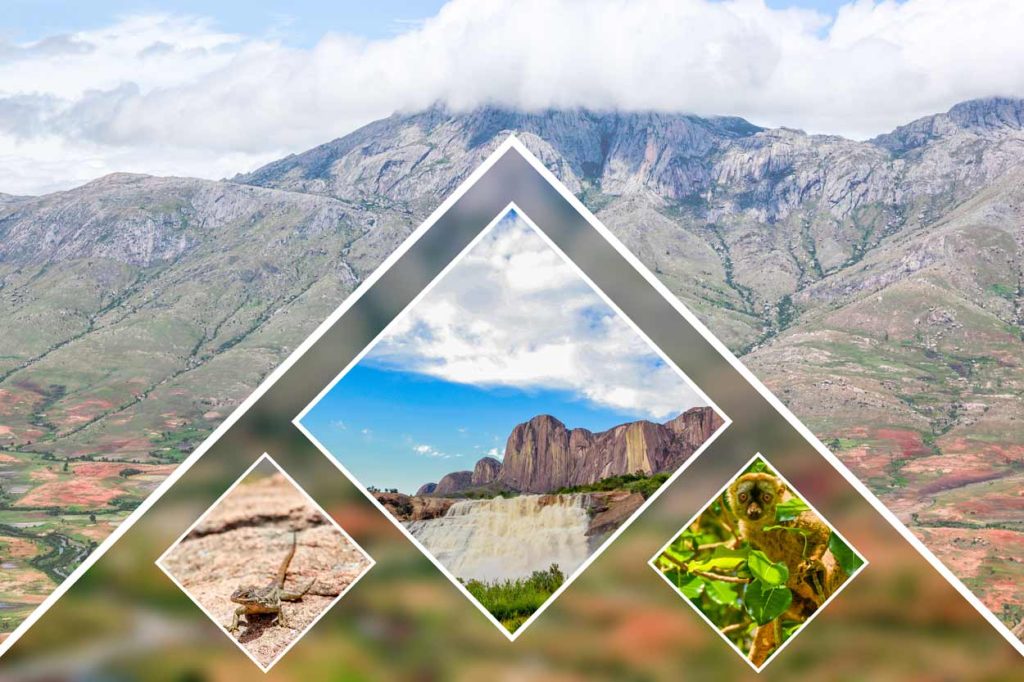
Excursion to Andringitra
Summary
- Introduction to the Andringitra Massif
- Why choose an excursion to Andringitra?r
- How to get to Andringitra
- Excursion to Andringitra : One-week excursion itinerary
- Frequently Asked Questions
Introduction to the Andringitra Massif
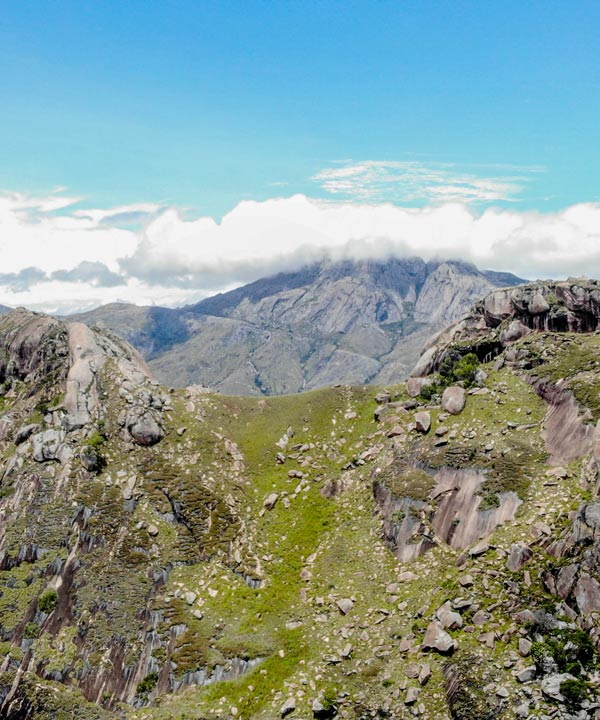
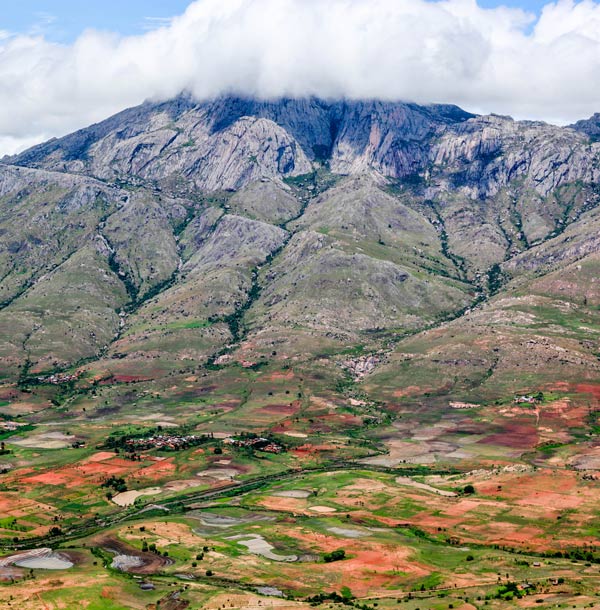
Landscape
Exceptional biodiversity
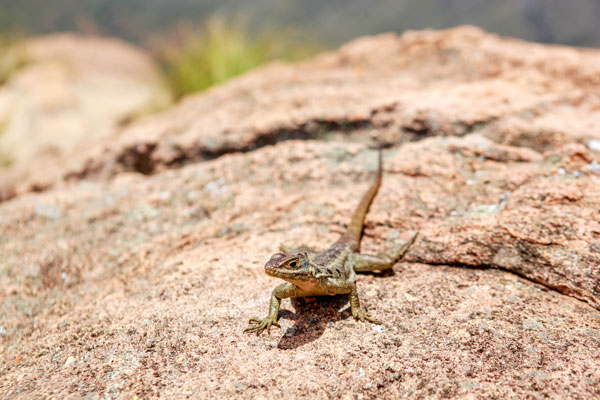
Andringitra shelters rich flora and fauna, including many endemic species. Fifteen species of lemur have been recorded here – among them the rare golden bamboo lemur, the greater bamboo lemur and the iconic ring-tailed lemur – as well as six species of carnivore, including the fossa, the island’s largest predator. Vibrant chameleons, endemic birds such as Benson’s rock thrush and the Madagascar kestrel, and wild orchids contribute to this living tableau. This massif is a true refuge for biodiversity, thanks to its geographic isolation and variety of habitats.
Cultural heritage
Why choose an excursion to Andringitra?
Spectacular landscapes and a tailor-made adventure
Immersion in unspoilt wilderness
Authentic human experience
How to get to Andringitra
About 700 km south of Antananarivo, Andringitra National Park is not easily reached: the road journey from the capital takes around 10 hours. The town of Ambalavao (Haute Matsiatra) usually serves as the gateway to the massif. From Ambalavao, a 4×4 track leads to one of two park access valleys:
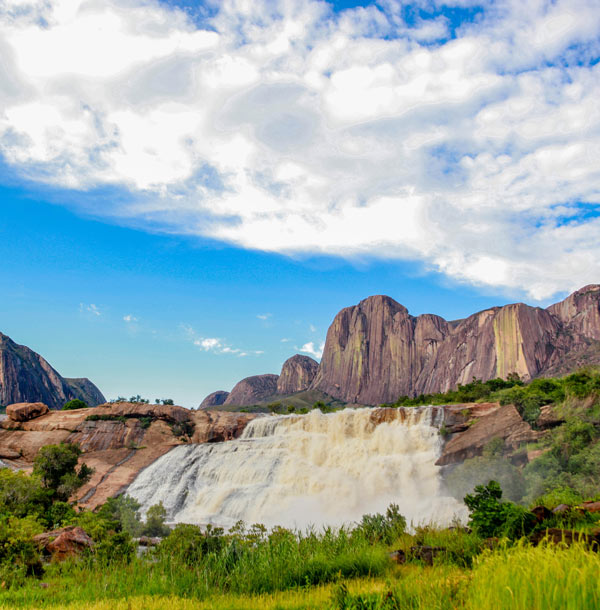
- Via the Namoly valley (east): From Ambalavao, turn east and drive 47 km along a track to the Namoly entrance. This 2- to 3-hour 4×4 journey climbs gradually to 1,600 m at the foot of towering cliffs. It is the classic route to reach the summits and the Imarivolanitra plateau (Pic Boby). En route you pass villages and catch sight of the sacred waterfalls cut into the rock face.
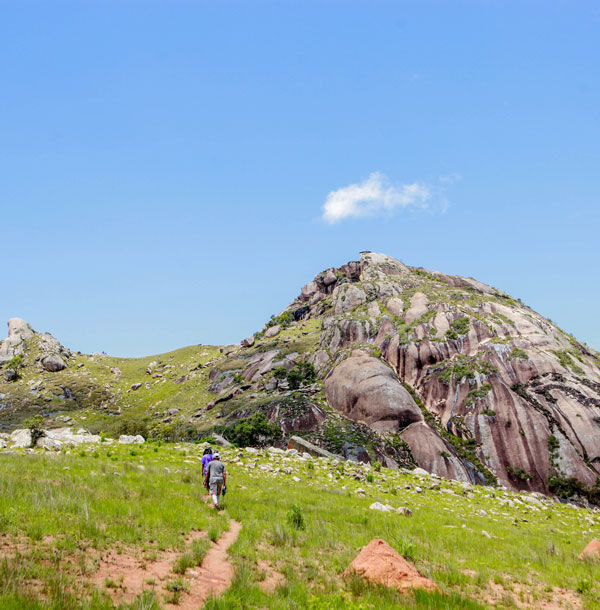
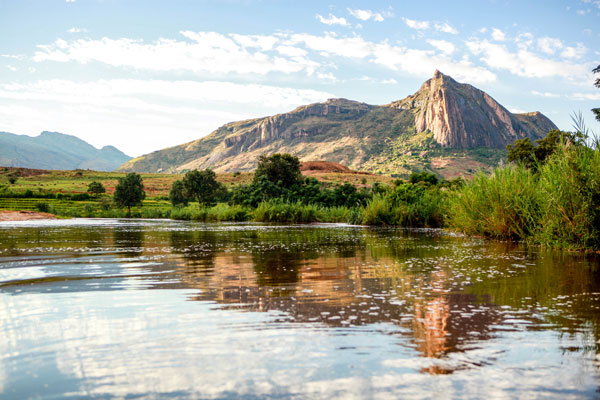
- Via the Tsaranoro valley (west): Continue south on the RN7 beyond Ambalavao and turn off a little further on (towards Tanambao/Ihosy) to follow a track of about 25 to 30 km to the village of Morarano. This western road (also 2-3 hours) leads to the Tsaranoro valley, famous for its dizzying granite faces and climbing sites. It is a preferred access for climbers and those wishing to start the trek from the western side of the massif. The drier, more open Tsaranoro valley offers a different perspective on the massif, with a savannah-like atmosphere at the foot of the rock walls.
Excursion to Andringitra : One-week excursion itinerary
| Day | Itinerary | Activities & Discoveries | Accommodation |
|---|---|---|---|
| Day 1 | Antananarivo → Ambalavao (Haute Matsiatra) | Welcome by the Mada Tours Guide team in Antananarivo and departure south along the RN7. Cross the Central Highlands with possible stops in Ambatolampy, Antsirabe (known for its handicrafts) or Ambositra for lunch. In the afternoon continue to Ambalavao, a small wine-producing town surrounded by mountains. Along the way, enjoy the variety of landscapes: terraced rice paddies, traditional Betsileo villages and rock formations signalling the approach of the Andringitra massif. | Charming hotel or local guesthouse in Ambalavao. |
| Day 2 | Ambalavao → Andringitra Park (Namoly entrance) - start of the trek | Morning departure by 4×4 to reach the park’s eastern entrance at Namoly. The scenic 2½-hour track passes rural hamlets, crosses zebus and gradually reveals the massif’s imposing cliffs. Arrive at Namoly village (1,600 m), the trekking starting point. Meet your local team (official park guide, porters and cook) and begin the trek gently. In the afternoon, hike along the river through a high-altitude rainforest. Discover the twin waterfalls of Riandahy and Riambavy, symbols of the region, and surrounding endemic plants (tree ferns, pandanus, etc.). Set up camp late in the day on a flat site near the river at 1,900 m. Free time to rest, enjoy nature and admire the sunset lighting up the rock faces. | Camping in Namoly. Two-person tents, mattresses and sleeping bags provided. Hot meal prepared by the camp cook. |
| Day 3 | Trek: Namoly valley → High-altitude plateau | Wake up in nature to distant lemur calls and birdsong. After a hearty breakfast at camp, set off on a day’s trek with gradual ascent. The trail winds through mountain vegetation: you move from dense forest to a more open landscape of heath and rocks as you gain altitude. Reach the high-altitude camp (around 2,100 m) by mid-afternoon. Free time to contemplate the sea of mountains around you and recover from the climb. Late in the day, a short walk to a promontory offers an unforgettable sunset over the Andringitra ridges. | Camping under canvas (Andriampotsy camp or similar). Expect a chilly night (temperatures can drop below 5°C). Mountain-style dinner served under the tent. |
| Day 4 | Trek: Ascent of Pic Boby (2,658 m) - traverse to Tsaranoro | Depart before dawn (around 4:30 am) for the final ascent of Pic Boby. By headlamp you make your way over granite slabs to the summit, reached in about two hours of sustained walking. Experience a magical sunrise atop the roof of Andringitra: in clear weather the view stretches to the distant Indian Ocean. This is a highlight of the trip, immortalised by group photos at the summit cairn. After descending, continue the traverse toward the Tsaranoro valley. | Camping in the Tsaranoro valley (or a village camp). Warmer atmosphere (altitude 800-900 m); basic shower possible. |
| Day 5 | Day in the Tsaranoro valley | A day devoted to exploring the beautiful Tsaranoro valley, renowned for its orange-hued cliffs and world-class climbing sites. Several activities are available depending on your interests and how you feel after the trek: easy walks, visiting nearby villages, rock climbing (for climbers), or simply relaxing in the valley. | Camping in the Tsaranoro valley for a second night. Optionally upgrade to a lodge or equipped camp for greater comfort (bungalow or safari tent with bed). |
| Day 6 | Tsaranoro → Ambalavao → Fianarantsoa | Time to say farewell to Andringitra. After breakfast, drive by 4×4 back up the track from Tsaranoro to Ambalavao (about two hours). Enjoy last views of the receding massif. In Ambalavao, optional visits to the local market (famous for its Wednesday zebu market) and a family-run Antemoro paper workshop (hand-made floral paper, a local specialty). Late morning, rejoin the RN7 northwards. Stop at Anja Reserve on the way. Continue toward Fianarantsoa, capital of the Betsileo region, arriving in the afternoon. Check in to your hotel and enjoy free time in town: wander the old upper town with traditional houses, visit a winery (Ambalavao’s vineyards produce a distinctive Malagasy wine), or simply rest after these intense days. | Comfortable hotel in Fianarantsoa (a good break on the return journey). Rooms with hot water, electricity and good bedding. |
| Day 7 | Fianarantsoa → Antananarivo (end of tour) | Final stage of the trip: the return drive to the capital. After breakfast, depart by vehicle for Antananarivo. The 400 km journey (7-8 hours) crosses the rolling landscapes of the Central Highlands. Scheduled stops en route for lunch (for example in Antsirabe or Ambositra) and to stretch your legs. By late afternoon, arrive in Antananarivo. Transfer either to your hotel or directly to the airport depending on your plans. The excursion ends here. Misaotra betsaka (thank you very much)! | End of tour (optional extra night in Antananarivo not included). |
Frequently Asked Questions

Helinirina Raharomanana is an independent guide, founder, and manager of the agency Madagascar Tours Guide. With extensive experience in the tourism industry, he specializes in organizing tailor-made trips across the entire Malagasy territory. Collaborating with a team of experienced guides and drivers, he is dedicated to providing an in-depth exploration of Madagascar’s landscapes, traditions, and customs.