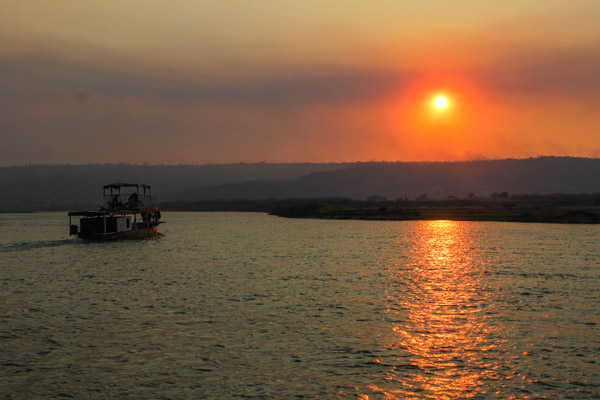
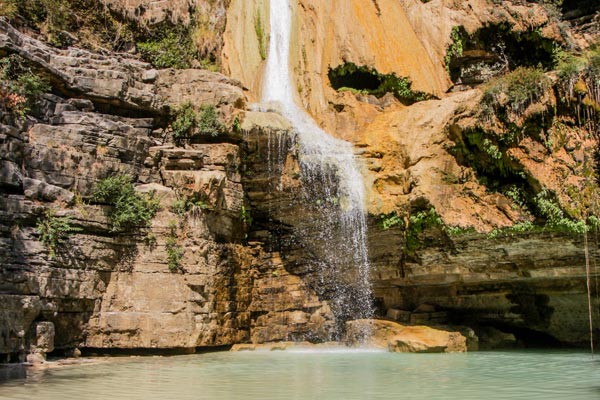
You’ll visit natural wonders like the Anosiampela waterfall, where you can swim in a crystal-clear pool deep in the forest. Every sunset over the Tsiribihina is magical, painting the sky red and gold as you camp on a sandy beach far from civilization.
| Day | Route | Activities & Highlights | Accommodation |
|---|---|---|---|
| 1 | Antananarivo - Miandrivazo (via Antsirabe) | Depart the capital and head southwest by car. Travel through the Malagasy highlands: terraced rice paddies, villages with red brick houses, and green hills. Lunch break in Antsirabe and visit local craft workshops (semi-precious stones, horn toy making, etc.). Continue to Miandrivazo, a quiet town by the river. | Hotel in Miandrivazo (basic comfort) |
| 2 | Miandrivazo - Tsiribihina River (Masiakampy) - Canoe Descent (day 1) | Early transfer to Masiakampy, your starting point on the Tsiribihina. Meet your local crew (guide and cook). Begin your descent by traditional canoe: vast plains and the first gorges. Spot wildlife : herons, ducks, fish eagles, and chameleons. In the afternoon, stop at Anosin’ampela waterfall for a refreshing swim. Dinner cooked over a wood fire on the riverbank. | Camping (tent on a wild beach) |
| 3 | Tsiribihina Descent (day 2) - Bemaraha Gorges | Wake to birdsong and breakfast at camp. Continue through the Bemaraha Gorges, passing dramatic cliffs. Along the way, meet local fishermen, see riverside villages, and soak in the peaceful atmosphere. Visit a remote village (e.g., Begidro) to meet the Sakalava people (dances, music). Look out for lemurs in the treetops. Stunning sunset over the river. | Camping (tent in the wild) |
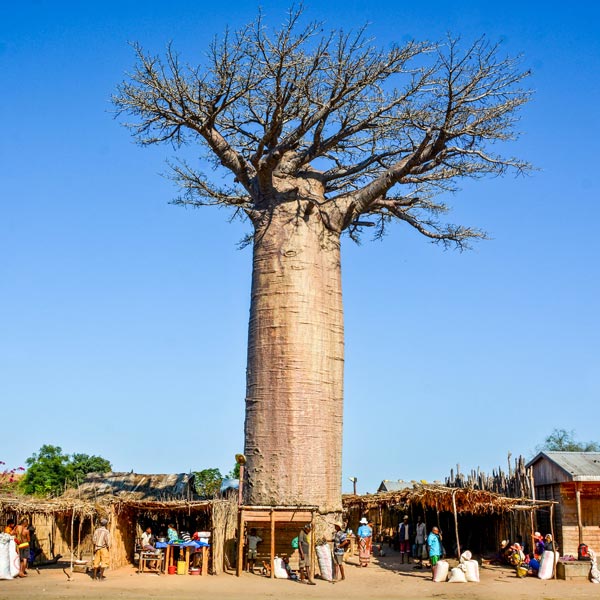
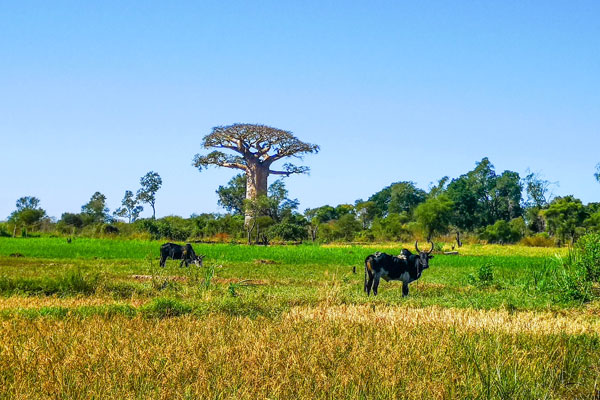
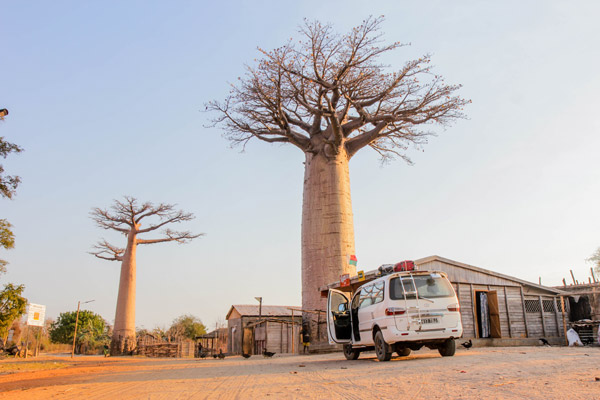
| 4 | Tsiribihina Descent (day 3) - Arrival at Antsiraraka | Last morning on the river as the valley opens up and baobabs appear, signaling the coastal plain. Spot morning wildlife: bats leaving cliffs, parakeets, wild ducks, and maybe a few sunbathing crocodiles. Arrive at Antanambao, the end of the river trip. Switch to a zebu cart for the 5-6 km track to Antsiraraka, a small village amid the baobabs. Welcome by locals and settle in. Free afternoon to rest or explore the area. | Rustic bungalow or homestay in Antsiraraka (subject to availability) |
| 5 | Stay in Antsiraraka (2nd night) | Full day to immerse yourself in village life: visit the local school, try farming or artisanal fishing (seasonal). Hike to see more baobabs and enjoy savanna views. Free time in the afternoon for a nap or games with local children. The two-night stay allows you to slow down and experience Malagasy hospitality. | Bungalow or homestay in Antsiraraka |
| 6 | Antsiraraka - Belo sur Tsiribihina - Antsirabe | Say goodbye to your village friends. Early morning 4x4 pick-up in Antsiraraka (vehicle crosses the river nearby). Return by track to Belo sur Tsiribihina, then drive northeast. Cross the river at Tsimafana. Lunch stop in Miandrivazo or along the way. Afternoon drive to Antsirabe, enjoying the last views of the savanna and highland hills. Arrive in Antsirabe late afternoon. | Hotel in Antsirabe (comfortable stop) |
| 7 | Antsirabe - Antananarivo (end of tour) | After breakfast, final 170 km drive to Antananarivo (about 3-4 hours). Optional souvenir shopping at the Digue craft market if time allows. Arrival in the capital in the afternoon. End of your excursion, your driver-guide will drop you at your hotel or directly at the airport. | Not applicable (return to starting point) |
Every excursion can be tailored to your needs. Whether you’re traveling with family, as a couple, or with friends, Mada Tours Guide will design a personalized itinerary that matches your interests, pace, and budget. You can adjust the length of each stage, add visits, or allow more free time. Everything is flexible.
The standard itinerary is about seven days (six nights), starting and ending in Antananarivo. This includes three days descending the Tsiribihina River by canoe, two days in Antsiraraka, and return drives. The duration can be adapted to your schedule: Mada Tours Guide can add extra relaxation days or shorten the tour as needed. For the full experience, plan on about one week.
The ideal season is from May to October during the dry season. The western Madagascar climate is pleasant (little or no rain, sunny days), and river conditions are perfect for navigation. July and August are slightly cooler at night, bring a warm sleeping bag for camping.
Avoid the rainy season (January to March) when storms can make the river dangerous and roads impassable. April and November are possible but are at the edges of the optimal season.
This tour offers a mix of accommodations. During the river trip (two to three nights), you’ll camp on the riverbanks: tents, mattresses, and sleeping bags are provided, and your guide-cook prepares hot meals. Comfort is basic (simple nature toilets, no shower but you can wash in the river), but the atmosphere is authentic and friendly (campfires under the stars).
In Antsiraraka, you’ll stay in a rustic bungalow or with a local family. Accommodation is simple (basic rooms, occasional generator-powered electricity, no hot water), but clean and welcoming.
On the drives, you’ll spend nights in small local hotels (in Miandrivazo, Antsirabe), chosen for cleanliness and safety.
Overall, comfort is modest but decent. This is the price of exploring remote areas. Mada Tours Guide supplies all necessary camping gear and ensures your wellbeing throughout.
Absolutely. This adventure is well-suited for families, even with kids. The pace is moderate and balanced, alternating calm river travel with fun activities. Children usually love the canoeing and camping experiences.
Families often recall magical moments, whether around the campfire or playing with local children in the village. Mada Tours Guide pays special attention to children’s safety and comfort: child-size life jackets, adapted meals, and flexible scheduling if anyone gets tired. Traveling as a family to Antsiraraka is an enriching and emotional experience for all ages.
Pack light, comfortable clothes for the day (t-shirts, shorts or light trousers), a hat or cap, sunglasses, and strong sunscreen. Bring insect repellent for evenings at camp or in the village.
For camping, all bedding is supplied, but you can bring your own sleeping bag and a headlamp (very useful in camp). Footwear: sandals or flip-flops for the canoe and relaxing, plus lightweight walking shoes for village strolls and the waterfall hike.
A swimsuit is a must for the waterfall and safe swimming spots along the river. Also bring a small first aid kit (anti-malarials, anti-diarrheals, disinfectant, plasters) and any personal medication, as you’ll be far from pharmacies.
The Antsiraraka tour requires no special athletic skills. Most of the journey is by boat, with some walking for village visits and enjoying nature. Be ready for several nights camping (basic facilities) and some rough roads by 4×4. Good general health and an open mind are all you need.

Helinirina Raharomanana is an independent guide, founder, and manager of the agency Madagascar Tours Guide. With extensive experience in the tourism industry, he specializes in organizing tailor-made trips across the entire Malagasy territory. Collaborating with a team of experienced guides and drivers, he is dedicated to providing an in-depth exploration of Madagascar’s landscapes, traditions, and customs.
 English